Already own a perfume you love? Then you don't need a pheromone-branded fragrance. You need an unscented pheromone oil to wear underneath it. That's the whole pitch. For most women, it's the right answer.
The scented category exists for one reason. It's easier to sell one bottle than to explain layering. But once you understand the format, unscented wins on flexibility and cost-per-wear. It also wins on the obvious thing: you get to keep wearing your Chanel.
Why "unscented" is the smarter format for many women
Walk through any woman's bathroom and you'll find a perfume she's attached to. Chanel No 5. Tom Ford Lost Cherry. Le Labo Santal 33. YSL Libre. Maison Margiela By the Fireplace. Whatever it is, she picked it on purpose. She probably spent $150 or more on it. And she associates it with a version of herself she likes.
Asking her to swap that for a $30 pheromone perfume in a plastic roll-on is a tough sell. And it should be. Most pheromone-branded scents aren't perfumer-grade compositions. They're functional carriers with a fragrance dropped on top.
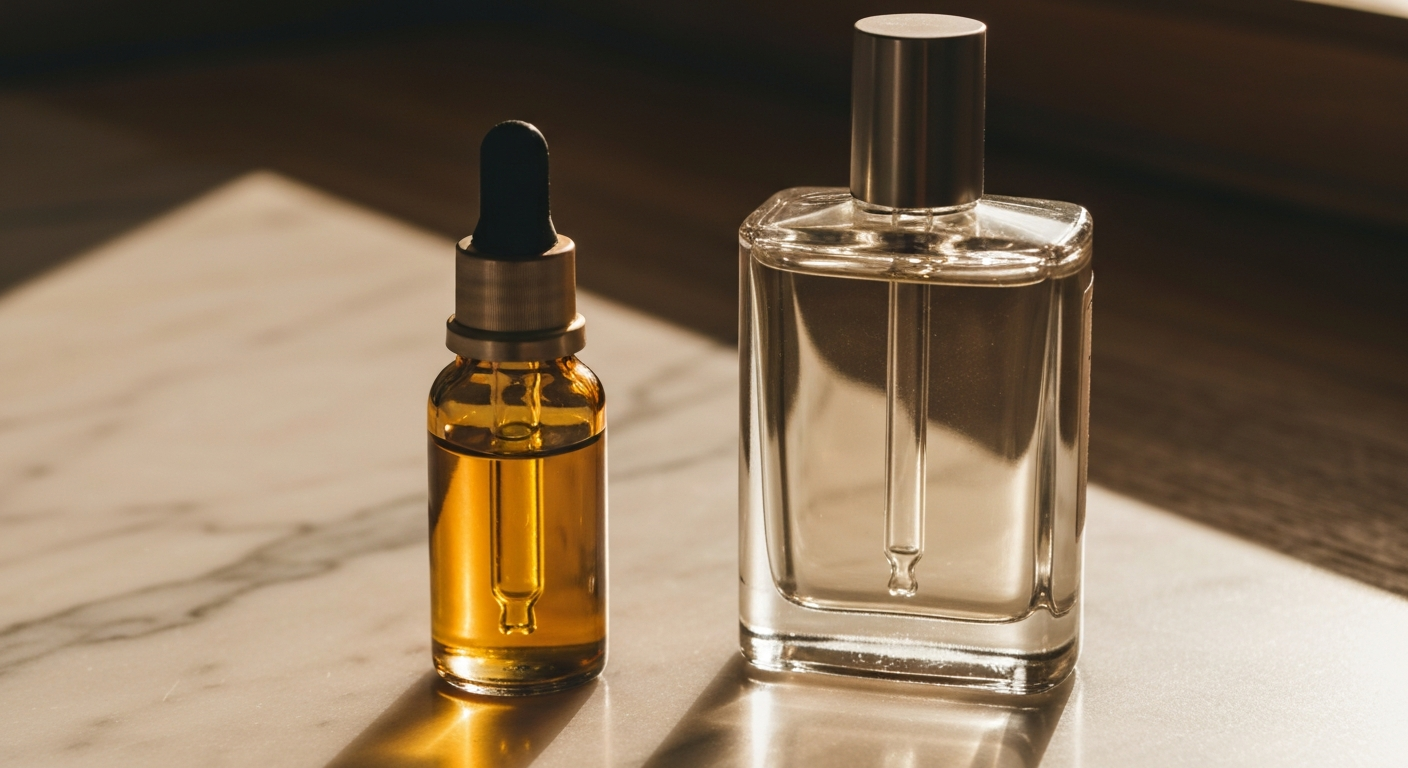
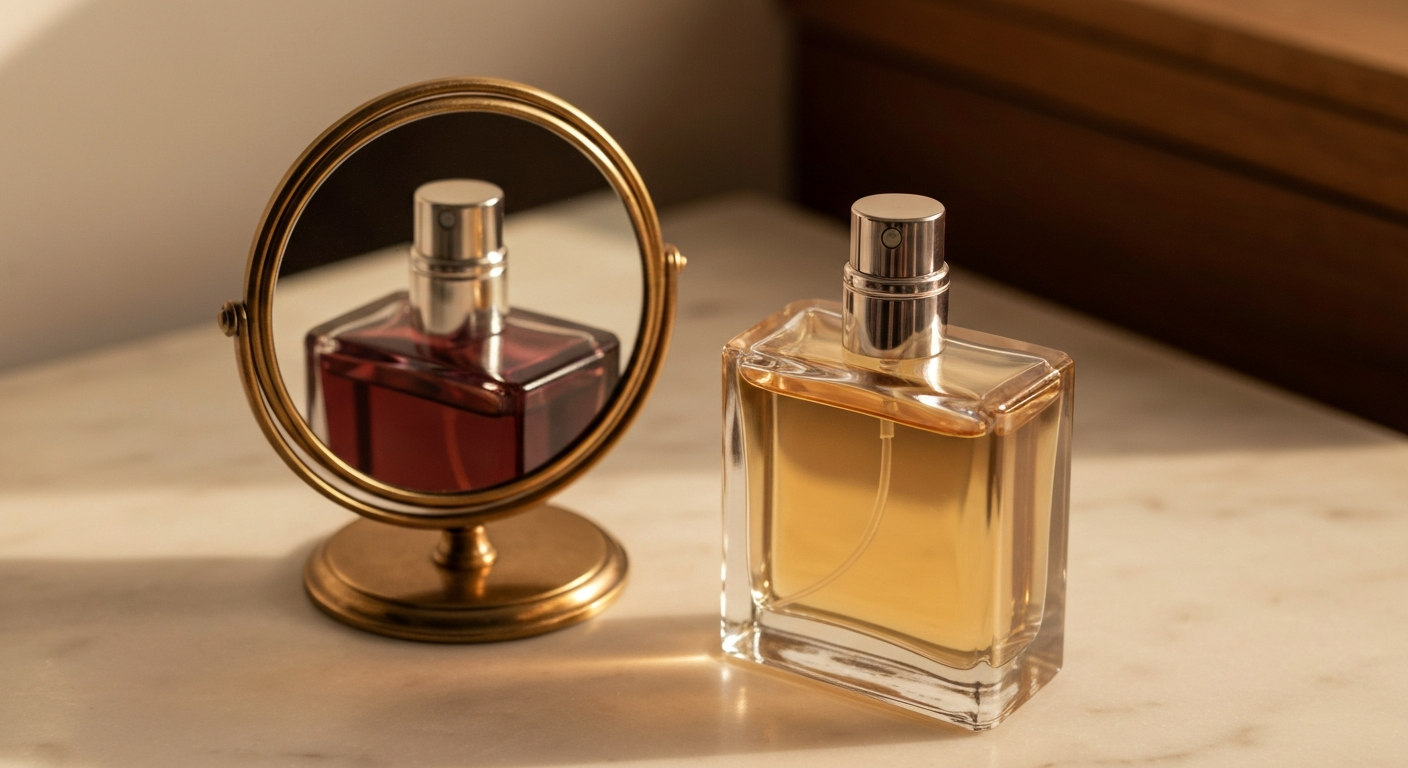
Unscented sidesteps the whole problem. You get the pheromone molecules with real research behind them, like copulins and androstadienone . And you get them without a competing fragrance. Your signature perfume stays your signature perfume. The oil does its job underneath.
This also matches how the research was actually done. The Cutler 1998 study and the Saxton 2008 speed-dating work didn't have participants spritz perfume over the test compound. They applied the extract directly to skin. Unscented is far closer to that than a scented eau de parfum will ever be.
What "unscented" actually means
Unscented does not mean odorless. Open any bottle labeled unscented and you'll smell something faintly waxy or slightly sweet. That's the carrier oil, usually fractionated coconut, jojoba, or a light alcohol base. The pheromone molecules add to it too. Even in isolation, they carry a low-level skin-musk note.
Here's what unscented really means in this category. The carrier doesn't compete with whatever you spray over it. Within about 60 seconds of skin contact, that faint background note settles and disappears under any fragrance on top. Hold the bottle to a friend's nose at arm's length and she probably wouldn't notice it. Let her get close to your wrist after your usual perfume, and she'd smell your perfume.
This is the format that makes layering work. A heavily scented pheromone perfume under Tom Ford turns into a muddled mess. An unscented oil under Tom Ford just smells like Tom Ford. The pheromone work happens invisibly.
The top unscented picks for women
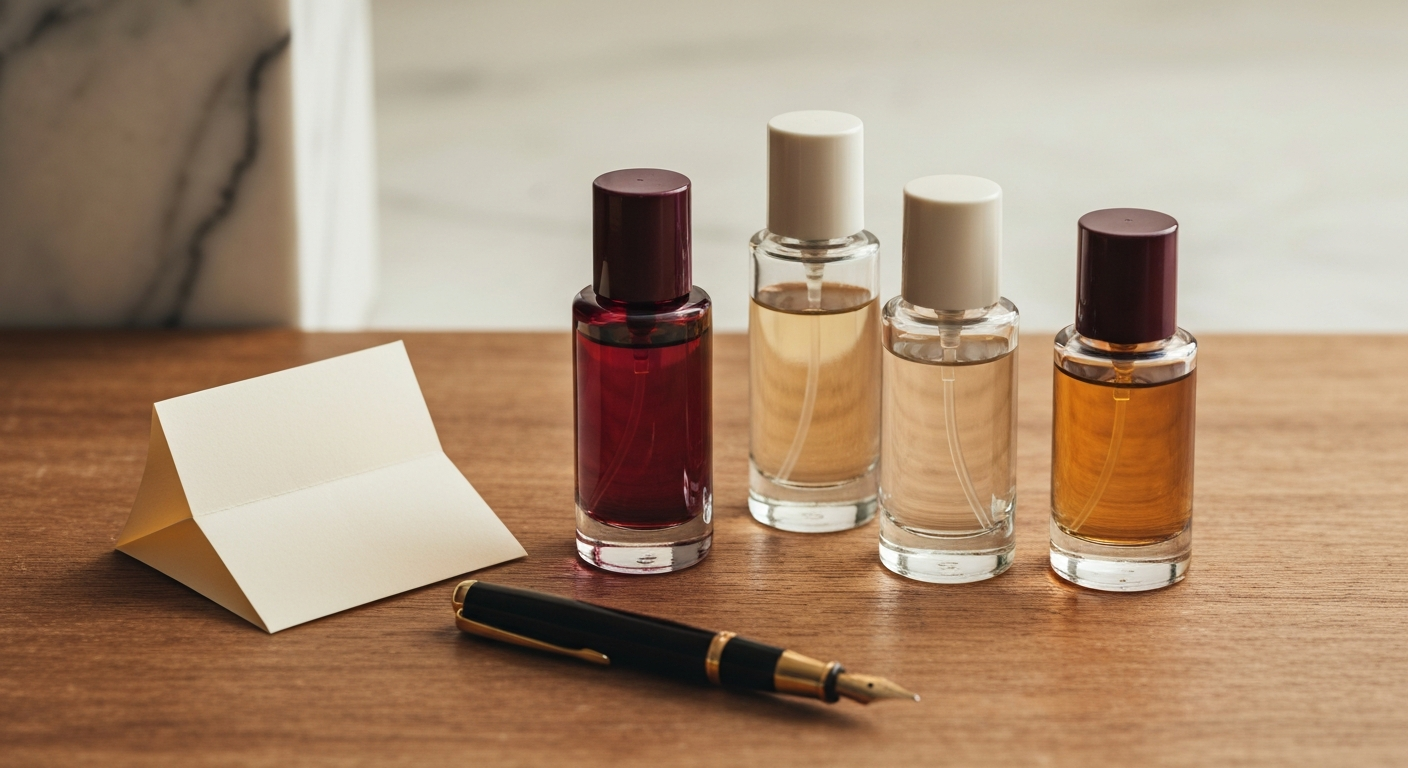
Three formulas are worth your time. Each does something slightly different. The right one depends on what you're actually trying to do.
Athena 10:13 — the research-backed vial
Athena 10:13 is the one with actual lab heritage. Winnifred Cutler developed it, the researcher behind the 1998 axillary-extract study. It's been on the market since the late nineties without a major reformulation. The packaging looks dated: small glass vial, dropper top, clinical label. That's part of the point. This isn't a TikTok product.
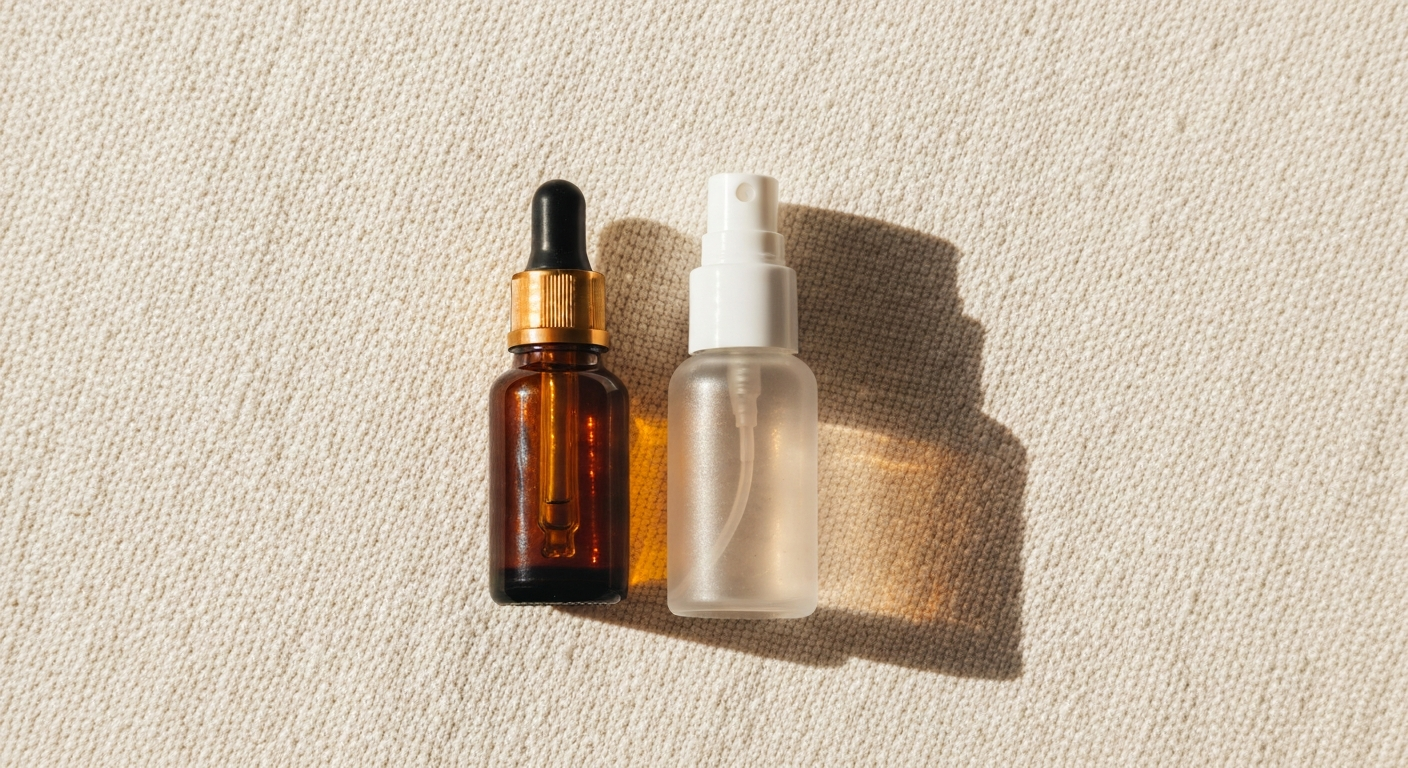
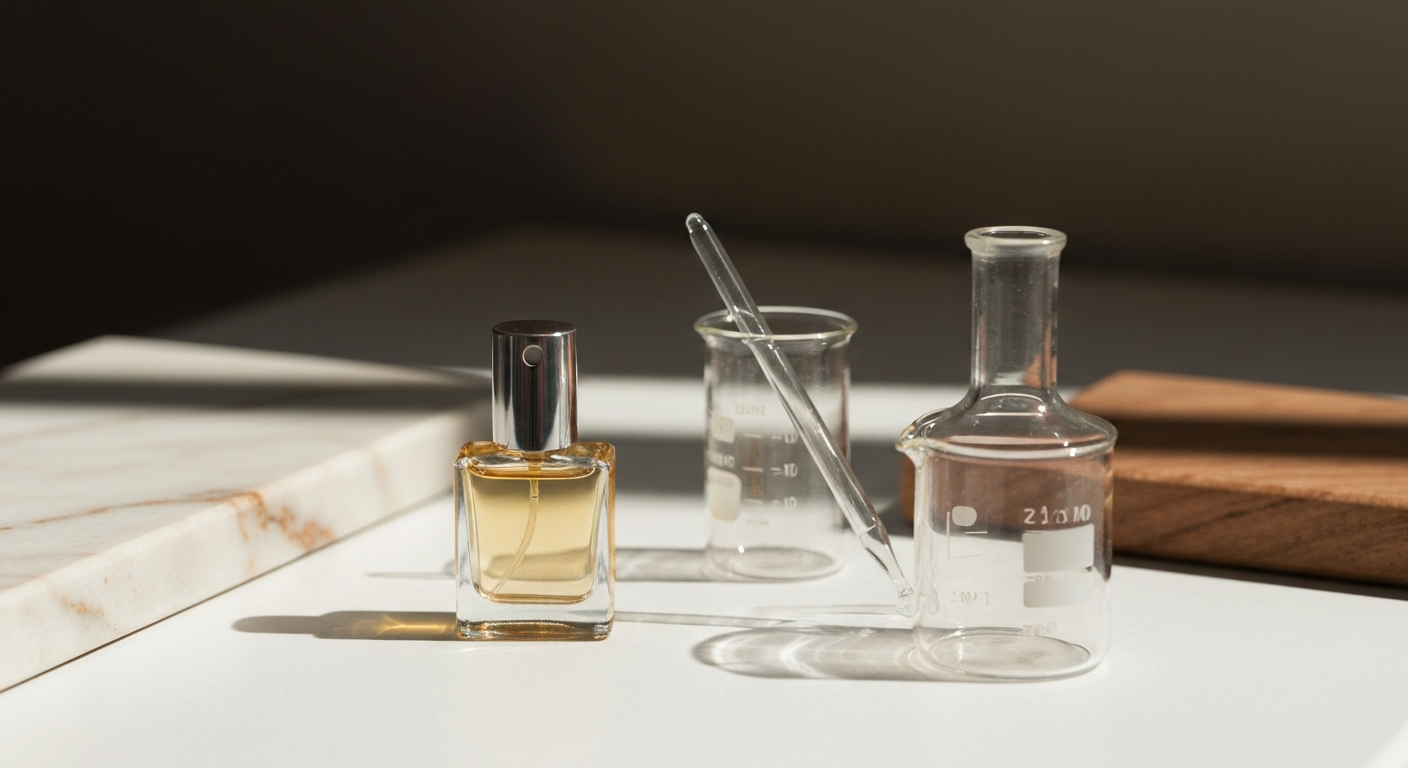
You add six drops to about an ounce of your own perfume or unscented carrier. Shake it, then use that mix. The dilution sounds fussy, but it lasts months. Want the closest thing to the formulation that was actually studied? This is it. The vial costs a lot up front, but cost-per-wear is low.
RawChemistry for Her — the roll-on workhorse
RawChemistry for Her is the practical pick. It's $30 for 10ml, with a roll-on applicator and an unscented oil base. It's also the most-reviewed pheromone product on Amazon by a wide margin. It claims a high copulin concentration. There's no third-party assay you can point to, but the per-wear cost and the format make it the easiest entry point in the category.
Roll-on means you can apply with precision. One swipe per wrist, one behind each ear, done. The bottle is small enough to throw in a handbag. The carrier is light enough to absorb in under a minute. This is the one most readers should start with.
Liquid Trust — different mechanism, different goal
Liquid Trust is the odd one out. It's marketed as an oxytocin spray, not a pheromone product. The claim is that it boosts trust-perception in people around you. That's more of a confidence and social-warmth play than an attraction one. The evidence for topical oxytocin is much thinner than for the pheromone molecules. Still, reviewers consistently report a calming, settled feeling when wearing it. Confidence and chemistry stack, so I'd take that feeling at face value, just don't expect it to do what the copulin oils do.
Worth considering if your goal is job interviews, networking events, or first dates where you want the room to feel a little easier. Not if you're chasing romantic chemistry specifically. For that, stick to the first two.
We may earn a commission if you buy through these links. The full roundup of every product we've tested is in the best pheromone perfumes for women guide. The oil-format breakdown lives in best pheromone oils .
How to layer with your signature perfume
The sequence matters more than people think. Get it wrong and you either dilute the pheromone delivery or muddy your fragrance.
- Apply the unscented pheromone oil first, to clean dry skin. Hit the pulse points: inner wrists, sides of the neck, behind the ears, inner elbows if you're in short sleeves.
- Wait 60 seconds. Let the carrier absorb so the pheromones bind to skin instead of rolling off when you spray.
- Apply your usual perfume the way you always do. Two spritzes, three, whatever your normal is.
- Do not rub. Rubbing your wrists together breaks down the pheromone molecules and the top notes of your perfume.
Want more detail on placement, reapplication, and how unscented oils interact with different fragrance families? It's all in pheromone perfume layering tips .
When scented might be better instead
Unscented isn't universally the right call. Here are a few situations where a scented pheromone perfume makes more sense.
- You don't actually have a signature perfume. If you've been wearing whatever sample came in your last subscription box, you may just want one bottle that does both jobs. A scented formula like Pure Instinct saves you a step.
- You want a discreet, single-bottle option for travel. One bottle in the carry-on beats two.
- Your signature perfume is very heavy. Some leather-and-oud monsters will completely overwhelm an oil applied first. In that case, apply a scented pheromone perfume to different placement, like the collarbone or hair. That's more practical than fighting the layering.
Still deciding which format suits you? The comparison in pheromone perfume vs regular perfume walks through the tradeoffs in more depth.
Cost comparison
Per-wear cost is almost always lower with unscented. The reason is mechanical: you use less. A scented pheromone perfume is also your fragrance for the day, so you apply enough to actually smell it. An unscented oil is just the functional layer. Two pulse points and you're done.
A 10ml roll-on of RawChemistry at $30 typically lasts a daily wearer four to six months. A 30ml bottle of scented pheromone perfume at $40 to $50 lasts maybe six to eight weeks at the same usage, because you spray more per application. The math gets better still when you factor in one thing. You're not replacing your regular perfume.
Athena 10:13 looks expensive up front. But the six-drop dilution stretches one vial across roughly a year of regular use. That puts it in the same per-wear range.
Common unscented perfume mistakes
The big one is over-applying. There's no scent feedback telling you when you've put on enough. With a normal perfume, your nose tells you to stop. With an unscented oil, there's no signal. So people keep rolling or dabbing until the skin feels wet. That's already three or four times the designed dose. It can leave a faint oily film that interferes with your perfume.
Measure by drops or swipes, not by smell. One drop per pulse point for a dropper bottle. One swipe per pulse point for a roll-on. Four pulse points total. Stop there.
A few other common errors:
- Applying to dry, dehydrated skin. Pheromone molecules bind better to slightly hydrated skin. Use a light unscented moisturizer first, then the oil, then your perfume.
- Storing the bottle in a hot bathroom. Heat and light degrade the active molecules. A drawer or vanity shelf is fine.
- Layering it over your perfume instead of under. The oil needs skin contact to work, not perfume contact.
- Expecting an instant, dramatic effect. Even in the studies that found a signal, the effect was a shift in how people responded, not a magic switch. If you want to see the mechanism laid out first, read do pheromone perfumes work before you buy anything.
FAQ
Will my partner notice I'm wearing something different?
If you're using a true unscented formula with your usual perfume on top, almost certainly not. They might notice you seem to be getting more attention or sitting closer. But the scent itself won't read as different.
Can I mix unscented pheromone oil directly into my perfume bottle?
You can with Athena 10:13. That's actually the recommended use. With other oil-based unscented products, mixing into an alcohol-based perfume can make the oil separate or cloud the formula. Safer to apply them separately.
How long does an unscented pheromone oil last on skin?
Four to six hours is realistic for most oil-based formulas. The molecules degrade with skin warmth and exposure to air. Reapply once mid-day if you're wearing it for a long evening.
Is unscented safe with sensitive skin or fragrance allergies?
Usually yes, and that's another argument in its favor. Most fragrance allergies are to specific aroma compounds in scented perfumes, not to the pheromone molecules. If you're prone to reactions, patch-test on the inner forearm for 24 hours before regular use.
Does unscented work better than scented for attraction specifically?
The formal literature on either format is thin, mostly because human chemosignal work is expensive and rarely funded. Wyatt 2015 is the honest reference point, and he's the field's leading skeptic, but under-studied is not the same as disproven. What unscented adds is that it preserves your existing fragrance, which is doing real work on how attractive you smell to most people. So in practice: yes. You keep the scent that already flatters you, and you add the molecules underneath it.
No comments yet